


Dark Sky Policy and ALAN Regulation

Dark Sky Maharashtra

Shaping light pollution policy landscape through research-led strategy, systems coordination, and DarkSky International certification, advancing dark sky protection across Maharashtra.
The Challenge

What is Light Pollution?

Light pollution, caused by excessive or misdirected Artificial Light at Night (ALAN) that spills upward or outward beyond what is needed for safety and functional use, disturbs the balance of the natural night environment. Left unchecked, it affects human health, biodiversity, energy systems, and climate. It manifests in six distinct forms:
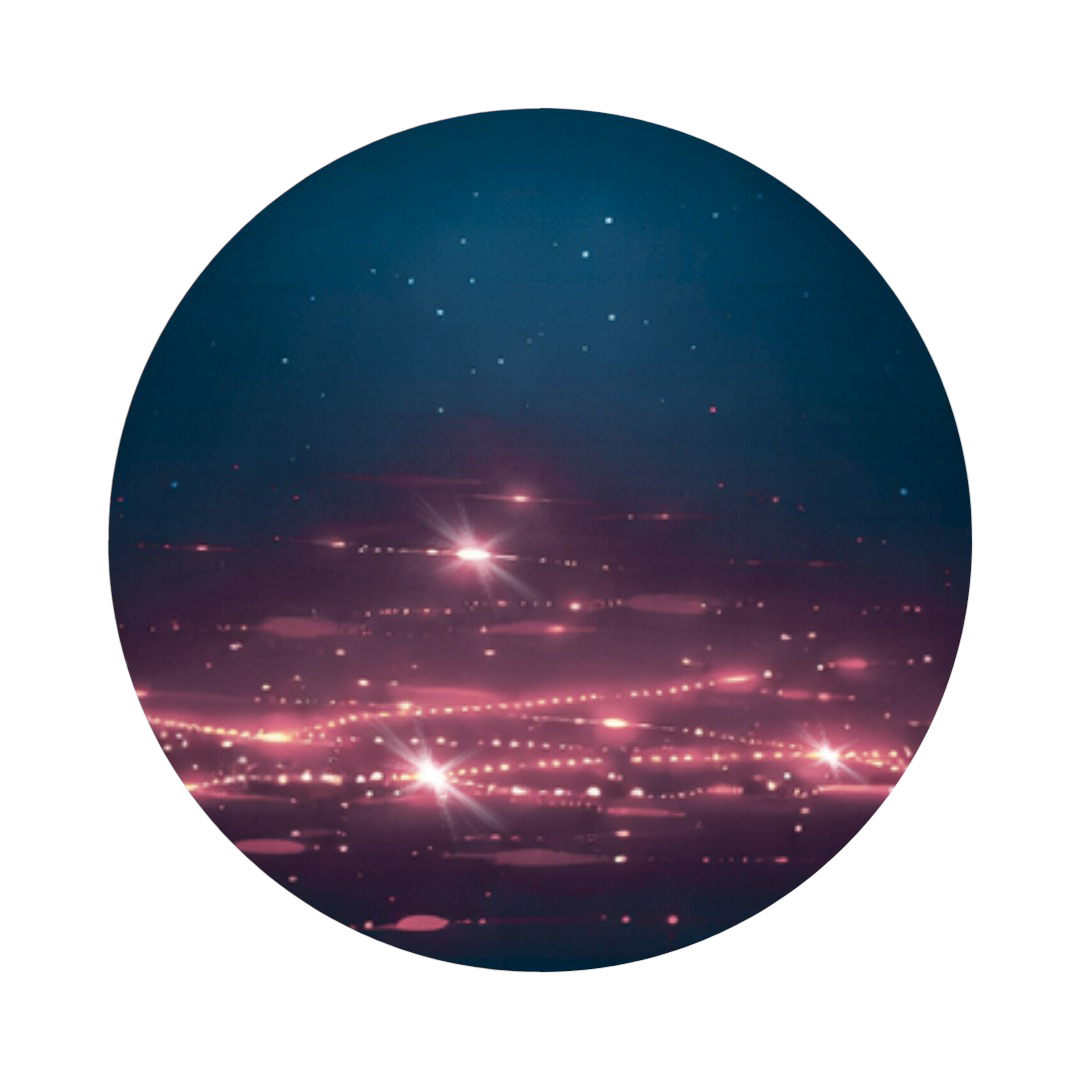
Sky Glow
The brightening of the night sky caused by artificial light scattered in the atmosphere, which reduces the visibility of stars
Illustration of sky glow over a city
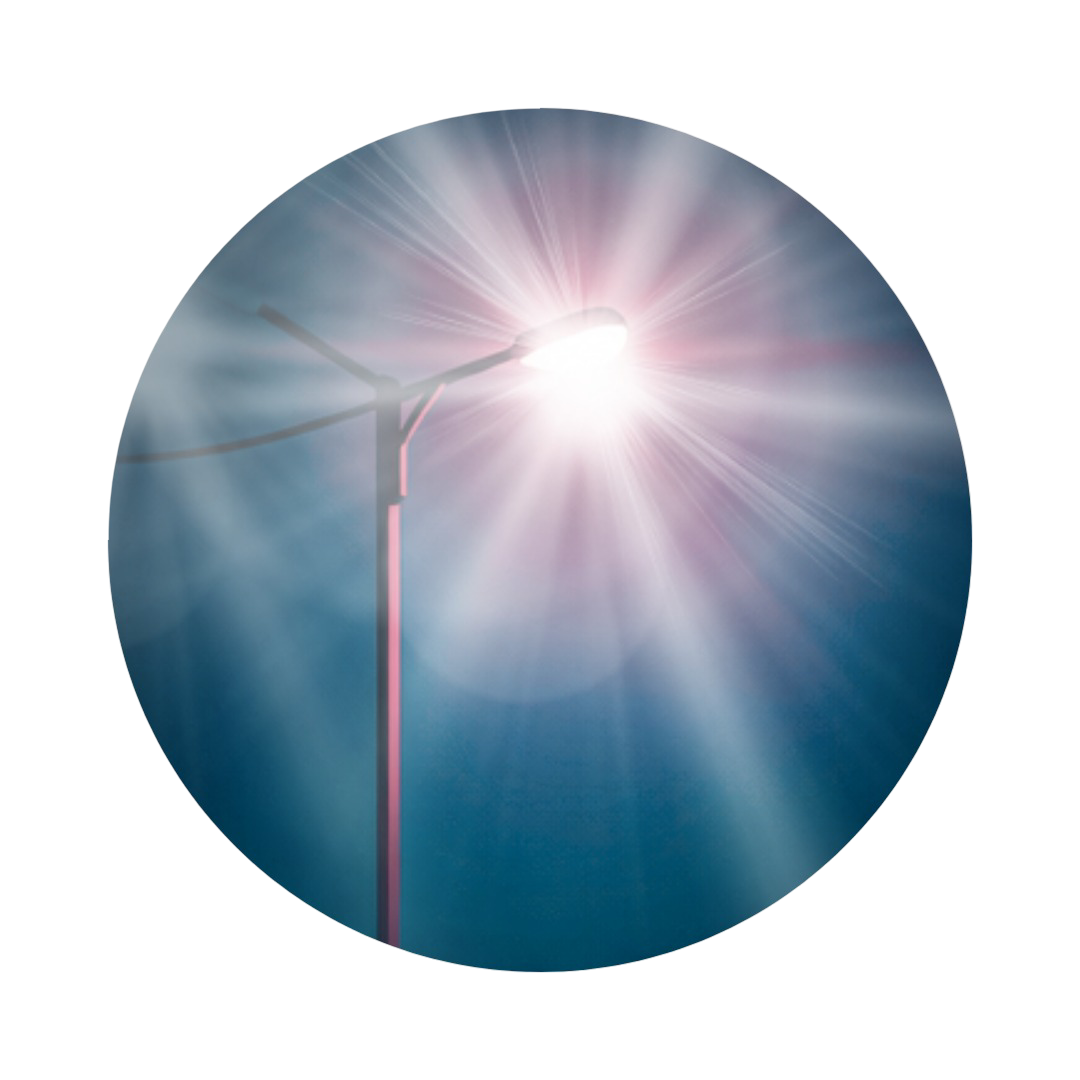
Glare
Excessive brightness causing visual discomfort, reducing visibility and straining the eyes, commonly from unshielded lights.
Illustration of glare from bright lights
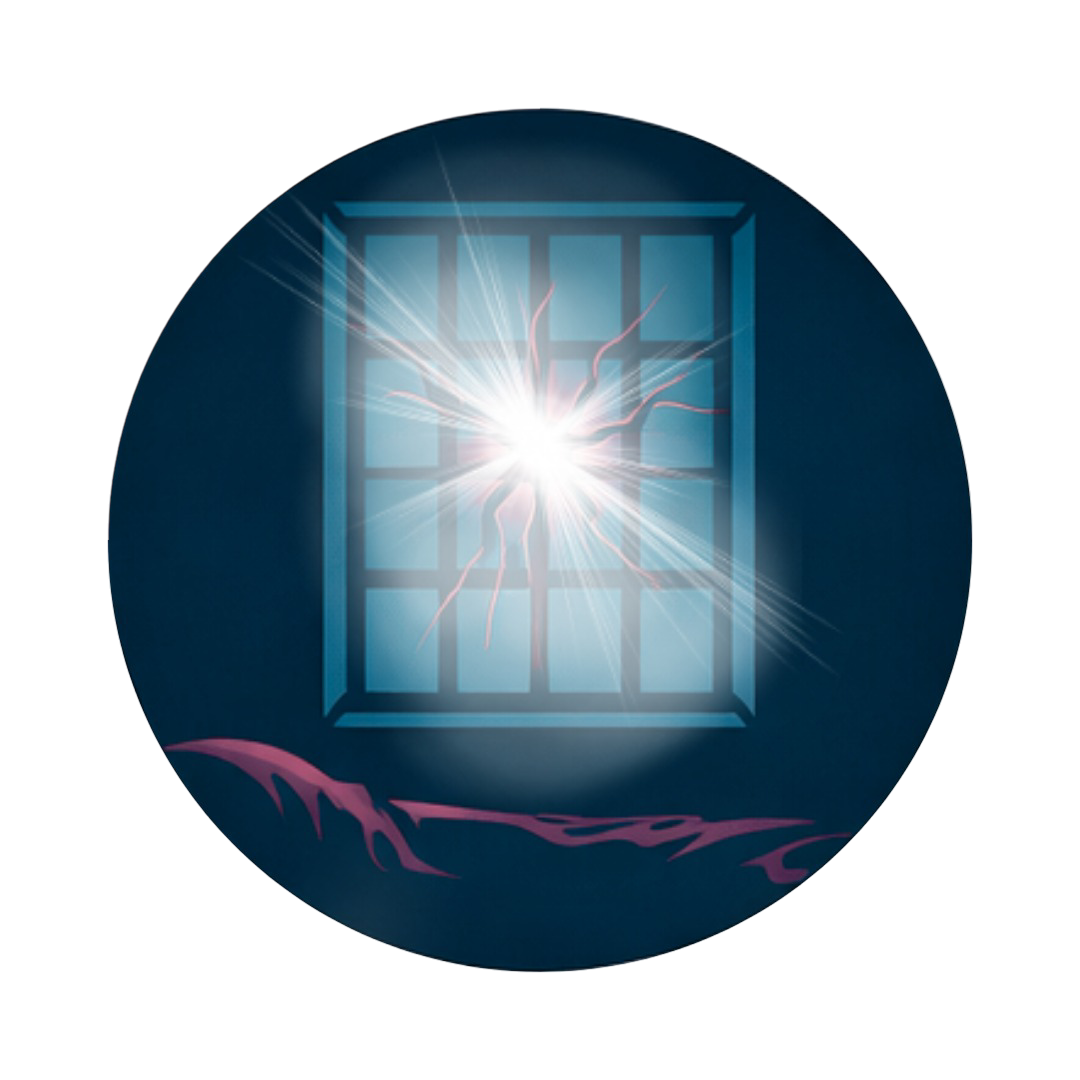
Light Trespass
Illumination spilling into spaces where it is neither intended nor needed, disturbing homes, wildlife, and natural habitats.
Illustration of light trespass into a home
Clutter
Visual chaos caused by excessive clustering of lights, competing signs, and displays, creating distraction.
Illustration of light clutter in a city street
Over-illumination
Lighting well in excess of functional requirements, such as decorative lighting, resulting in wasted energy and amplified pollution
Illustration of over-illuminated parking lot
Blue Light Hazard
Damage from blue-rich artificial lighting that intensifies light pollution harm, disrupting circadian rhythms, impacting ecosystems and the night environment.
Illustration of blue light impacting eyes and nature
Sky Glow
The brightening of the night sky caused by artificial light scattered in the atmosphere, which reduces the visibility of stars
Illustration of sky glow over a city
Glare
Excessive brightness causing visual discomfort, reducing visibility and straining the eyes, commonly from unshielded lights.
Illustration of glare from bright lights
Light Trespass
Illumination spilling into spaces where it is neither intended nor needed, disturbing homes, wildlife, and natural habitats.
Illustration of light trespass into a home
Clutter
Visual chaos caused by excessive clustering of lights, competing signs, and displays, creating distraction.
Illustration of light clutter in a city street
Over-illumination
Lighting well in excess of functional requirements, such as decorative lighting, resulting in wasted energy and amplified pollution
Illustration of over-illuminated parking lot
Blue Light Hazard
Damage from blue-rich artificial lighting that intensifies light pollution harm, disrupting circadian rhythms, impacting ecosystems and the night environment.
Illustration of blue light impacting eyes and nature
Economic Analysis

The Cost of Unregulated Light

Maharashtra can turn wasted lighting into economic opportunity. Dark sky tourism generates USD 1–3 B globally, with certified regions seeing 30–40 % visitor growth. Dark sky–compliant lighting delivers ~190% returns via energy savings, lower maintenance, and sustained astrotourism.

Read the full economic analysis →

Biodiversity Impact

Ecosystems Under Artificial Light

Artificial light at night disrupts ecosystems across Maharashtra, from forests and farms to rivers and coasts. With over 60% of species globally reliant on natural darkness, light pollution accelerates biodiversity loss and quietly undermines agriculture, fisheries, and ecological resilience.

Explore the ecological evidence →

Health Systems Impact

Circadian Disruption at Scale

ALAN suppresses melatonin and disrupts circadian rhythms. Chronic exposure is linked to elevated cardiovascular risk, metabolic disorders, and up to 2.5× higher dementia risk, positioning light pollution as a global health concern.

See the health research →

Climate Integration

Energy Waste and Emissions

Outdoor lighting is a major, under-regulated source of energy waste. Lighting contributes ~5% of global greenhouse gas emissions, and Maharashtra's urban and industrial footprint produces millions of tons of avoidable CO₂ under public infrastructure governance.

Read the climate analysis →

Strategic Opportunity

A Governable Problem

Light pollution is **reversible** using tested regulatory frameworks. International precedent confirms that outdoor lighting can be governed without compromising public safety, economic activity, or urban development.

Proven inputs

  • Zoning systems
  • Fixture standards
  • Operational controls
  • Policy integration

T.A.R.A.

Trans-departmental Application for Regulated ALAN — the coordinating body that converts global toolkits into enforceable Maharashtra rules.

  • Statutory recognition
  • Unified standards
  • Enforceable compliance
  • T.A.R.A.

Measurable outcomes

  • Public health
  • Biodiversity
  • Climate & energy
  • Astrotourism
Policy and Implementation

Policy and Pilot Implementation

AstronEra is coordinating a pathway to translate dark sky science into actionable governance, enabling light pollution management that is measurable, enforceable, and scalable within Maharashtra's administrative systems.

View the policy framework →

Pilot Implementation

Pilot Sites and Astrotourism

AstronEra is working with pilot sites across Maharashtra to test real-world dark sky conservation–focused development to guide policy design and implementation. These pilots align with DarkSky International certification frameworks.

Learn about the pilot program →

Live Progress

From the Field

Real-time updates from pilot sites and the programme as a whole — surveys, policy milestones, community engagement, and more.

Latest from the field

survey

Pench Work Order Sanctioned and DSI Pre-Application Filed

The Deputy Director, Pench Tiger Reserve issued a work order, and the DarkSky International pre-application was submitted and acknowledged — initiating on-ground monitoring.
Pench Tiger Reserve
Shweta Kulkarni

Shweta Kulkarni

survey

Tadoba Work Order Sanctioned and DSI Pre-Application Filed

A work order was sanctioned through the Buffer Zone Office, and the DarkSky International pre-application inquiry form was submitted — with DSI acknowledgement received.
Tadoba Andhari Tiger Reserve
Shweta Kulkarni

Shweta Kulkarni

survey

Work Commencement Orders Issued by Lonar Nagar Parishad

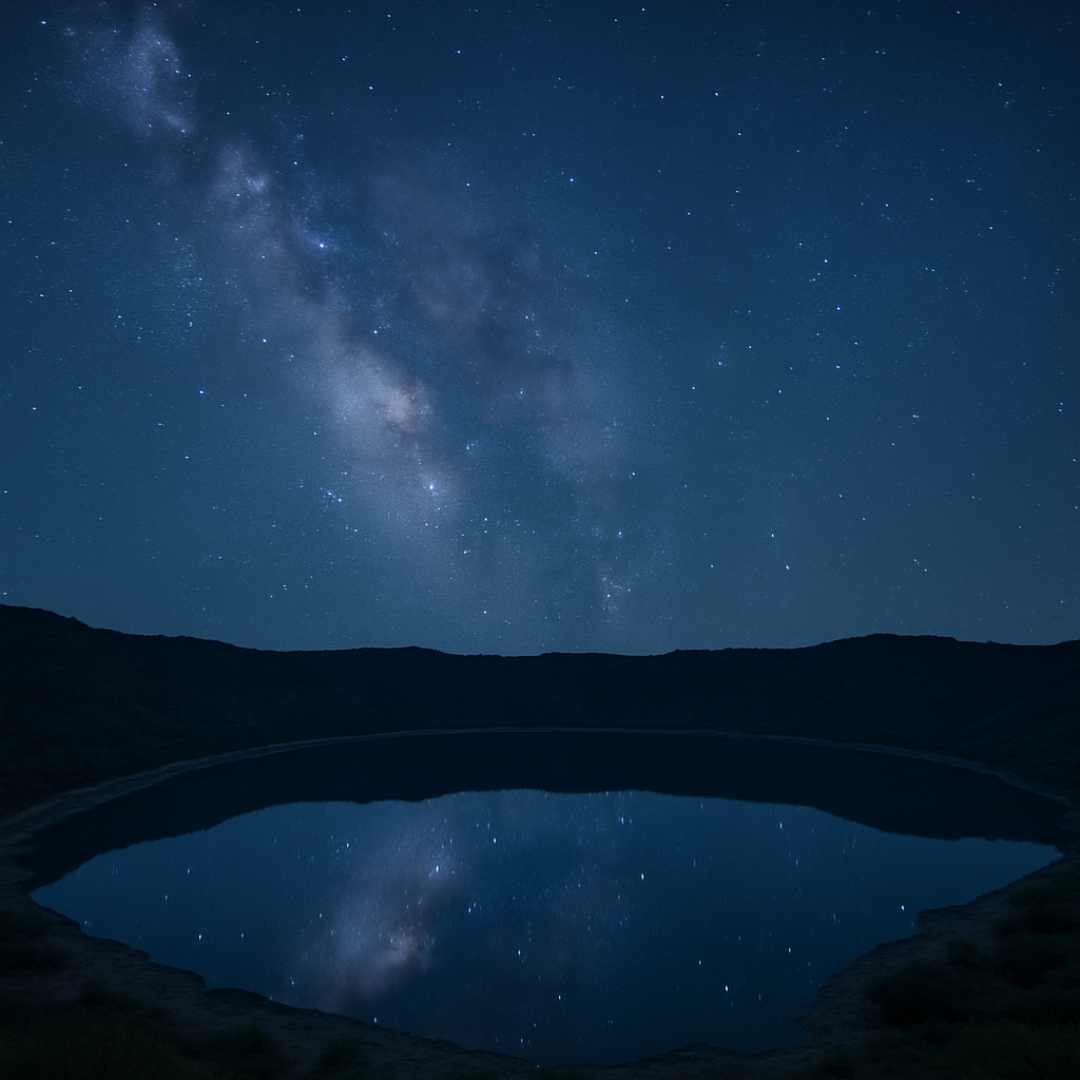
The Municipal Council of Lonar issued two formal work commencement orders (Kayarambh Aadesh) to AstronEra — covering secretariat coordination and lighting audit/SQM monitoring.
Lonar Crater
Shweta Kulkarni

Shweta Kulkarni

strategic

Detailed Budget Framework Submitted to Chief Secretary

AstronEra submitted the detailed certification budget and financial framework to the Chief Secretary's office, covering all 11 pilot sites with a standardised per-site cost structure.
Programme-wide
Shweta Kulkarni

Shweta Kulkarni

policy

Chief Secretary Convenes Inter-Departmental Dark Sky Meeting

Chief Secretary Rajesh Agarwal (IAS) convened a multi-department meeting at Mantralaya with Tourism, Environment, Energy, Revenue & Forest, Urban Development, Tribal Development, and Home departments — directing immediate action at all 11 pilot sites.
Programme-wide
Shweta Kulkarni

Shweta Kulkarni

Shweta Kulkarni, FRAS

Shweta Kulkarni, FRAS

Founder, AstronEra | Dark Sky Defender Asia 2024

Dark Sky Strategist (Maharashtra)

The night sky connects science, culture, and the future of life on Earth. AstronEra's mission is to protect the night, not by resisting progress, but by designing it wisely. When natural darkness is lost, we lose more than stars; we lose curiosity!

Dark Skies Are a Right,
Not a Privilege

Light the night responsibly. Engage with AstronEra on research, policy, and dark sky certification.
Hi, I'm TARA, the Dark Sky Maharashtra MascotHi, I'm TARA The FireflyDark Sky Maharashtra Mascot